

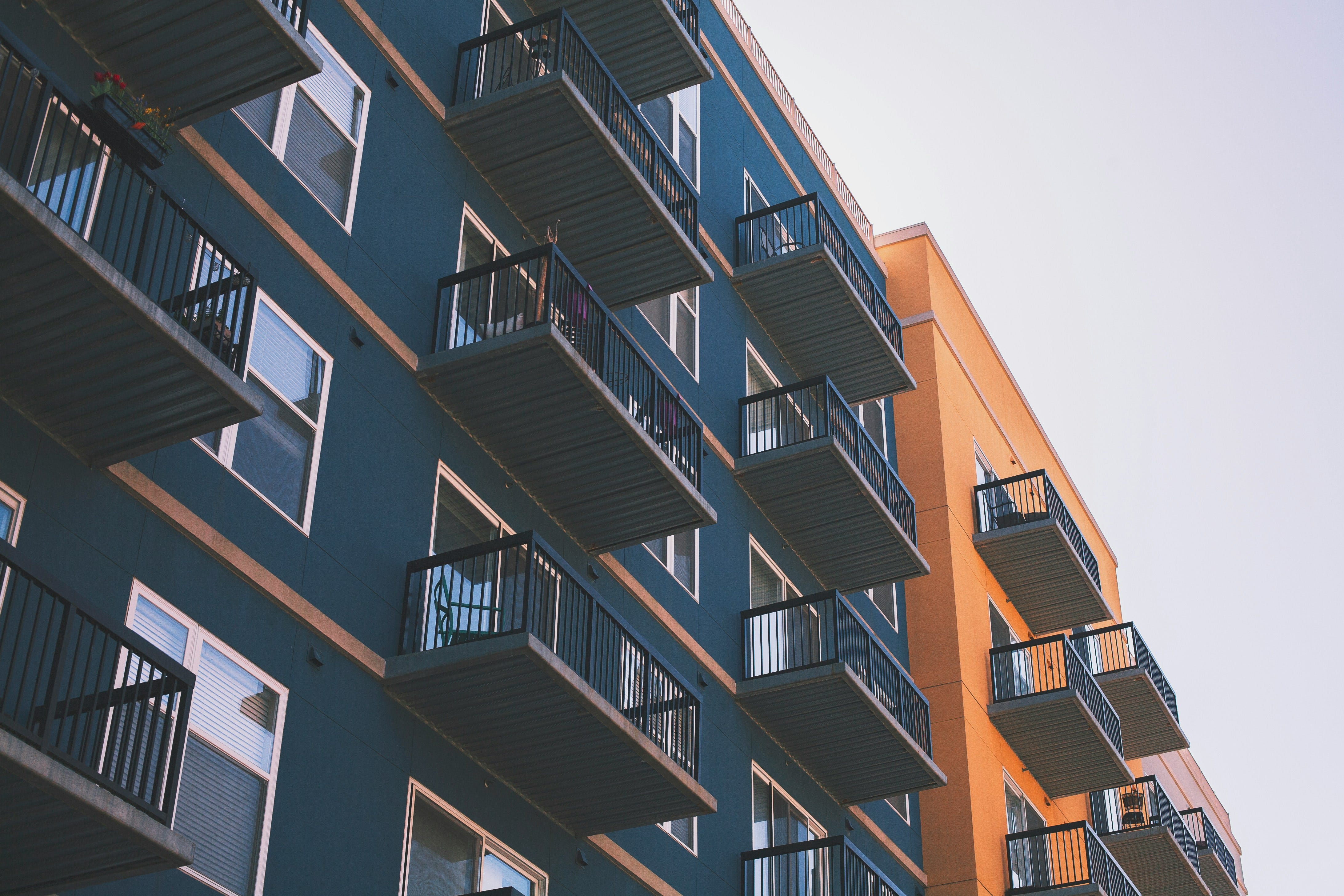
Conversations about a changing Cumberland Ave, affectionately known as “The Strip,” are common among many University of Tennessee graduates. Once a suburban, auto-centric thoroughfare, the approximately half-mile stretch of road from 17th Street to Volunteer Boulevard has unquestionably undergone a significant transformation over the past 15 years.
Gone are the surface parking lots, hole-in-the-wall bars, and aging one-story commercial buildings that made the strip, well, The Strip. In their place are apartment buildings home to well-over 10,000 students, widened sidewalks, new restaurants, and pedestrian infrastructure designed to accommodate the thousands of students that traverse to and from campus every day.
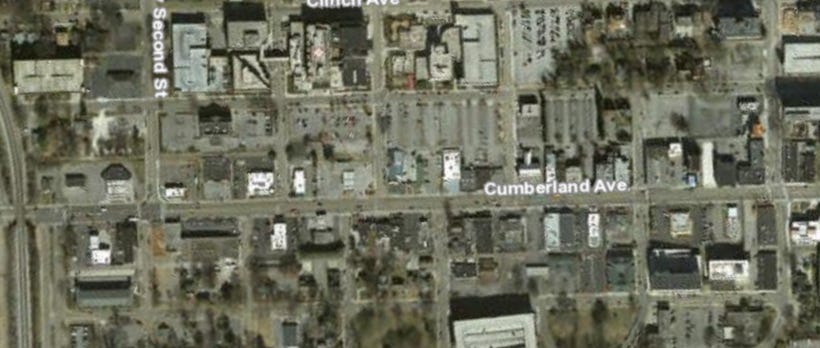
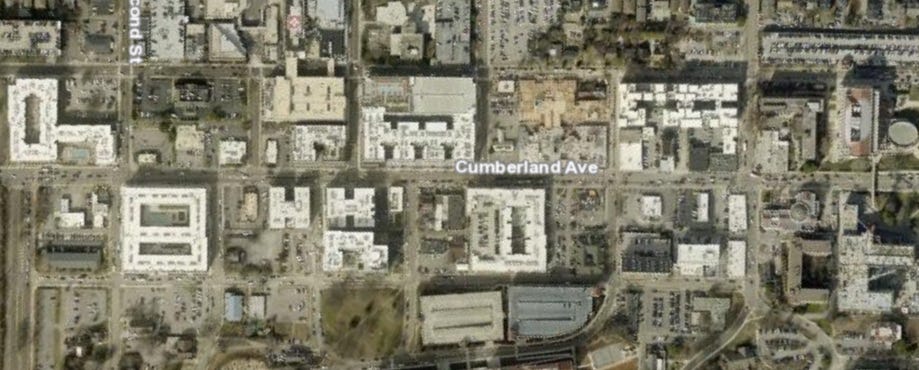
For many alumni, the Strip is replete with the nostalgia of their college years and its transformation feels like the loss of an old friend. For others, its redevelopment is a compelling example of the power of focused public investment and the economic boon it can create. Yet regardless of how one feels about the changes, one reality became impossible to ignore: the University of Tennessee desperately needed more student housing and, if not on Cumberland, where else would it go?
As recently as 2022, UTK’s student housing shortage was overwhelming.
Enrollment growth outpaced the supply of housing near campus for years, leaving students scrambling for places to live. With very few options, students looking for off-campus housing resorted to camping out in tents and on sidewalks to secure leases. The shortage extended to on-campus housing too, leaving UT with no option but to temporarily lease a Holiday Inn Express in West Knoxville—quickly dubbed the “Voliday Inn” by students—to serve as an “on-campus” residence hall for the 2022-2023 academic year.
Fortunately, the shortage is proving to be short lived.
Foreseeing the University’s growth, the City of Knoxville had set in motion an ambitious plan to overhaul Cumberland Avenue more than a decade before. The goal was to transform the sprawling, state-designated highway into a mixed-use, pedestrian-friendly urban corridor that would serve as a gateway to the university and the surrounding community.
And the plan worked as intended. As streetscape and infrastructure improvements progressed, developers raced to meet rising demand. Over the next several years, a wave of purpose-built student housing projects broke ground, expanding the number of available beds by the thousands.
Still, though, the construction timelines for such large projects were long and many were plagued by pandemic-era delays and shortages. Developers simply couldn’t meet demand in real time. The dearth of existing supply meant rents continued to climb—that is, until now.
After years of virtually no vacancy and double-digit rent growth, the market finally appears to be catching up. According to Yardi Matrix, a national market intelligence and property data platform, Knoxville’s student housing preleasing rate was at 67.5% in February 2026.1 That’s down 9.9% from the prior year, the second largest decline in the country. It’s also a significant departure from just a few years ago when preleasing at this time of year routinely exceeded 95%, meaning most student housing complexes were virtually full.
A lower preleasing rate is, of course, a welcome sign for UT students. With nearly 13,000 beds already available, and more on the way, there are significantly more options—and, crucially, enough supply to create a more competitive marketplace where student complexes must compete with one another to fill beds. That dynamic has already placed downward pressure on rents. The latest data shows average leasing season rents are down 3.9% from last year, the steepest decline of any SEC school.
At roughly $1,081 per bed, however, Tennessee’s student housing rents are still the 10th highest among the top 32 Power 5 schools and higher than almost all of its SEC competitors—with rents at Alabama, Arkansas, Florida, Georgia, Kentucky, LSU, Missouri, Oklahoma, South Carolina, and Texas A&M all below the $1,000 mark. The only SEC school with a higher average rent is Texas, at $1,291 per bed.
But there’s good news. With 1,627 more beds slated to come online in the next two years—and likely more to be announced between then—Tennessee ranks 3rd among SEC schools for the most beds under construction, trailing only Texas A&M and Arkansas.
The dramatic supply expansion in recent years, coupled with slower projected enrollment growth, suggests Knoxville’s student housing market is poised to further stabilize and, perhaps, even experience continued rent declines—or at the very least, an uptick in concessions to secure new leases. After years of fierce competition and quickly climbing rents, that is good news for UT students… and their parents.
Cumberland Avenue’s transformation has no by means been universally loved. But it solved a problem that no amount of nostalgia or good memories could. When demand rises, there’s a choice: allow more housing to be built, or accept higher prices and a reality in which students are forced to camp on sidewalks just to secure a place to live. Knoxville ultimately chose the former approach—and today, students are beginning to reap the benefits.
The impact extends beyond students, too. Every student who finds housing in a purpose-built student apartment is one less renter competing for a conventional apartment or single-family rental elsewhere in the city. That reduced demand from students, combined with a surge of new conventional multifamily construction across the city, has helped ease pressure on Knoxville’s rental market. It is in no small measure why apartment rents have been declining in recent months for the first time since at least 2017.
So while the Strip may never look or feel the way it once did, its transformation has provided thousands of students with a place to live within walking distance of campus while helping ease housing pressures elsewhere in the city. By any reasonable measure, that is a success.
Thank you for reading and supporting my work!
This publication is a free public resource intended to help citizens, business leaders, real estate professionals, and policymakers better understand the issues shaping Knoxville and East Tennessee. Behind each article are real costs—from data subscriptions and software to research tools and analysis. To date, those expenses have been paid entirely out of my own pocket.
If you find this work valuable, please consider making a contribution of any amount. Donations will be used exclusively to support and expand this publication. Your support helps keep this work free and accessible to all readers.
This reflects data for professionally-managed student housing complexes and does not include single-family homes, such as the student-oriented homes in Fort Sanders.